
Marketing Mistake #5: Changing Direction Too Fast

26 Marketing Mistakes and How to Avoid Them
What We See Most Often
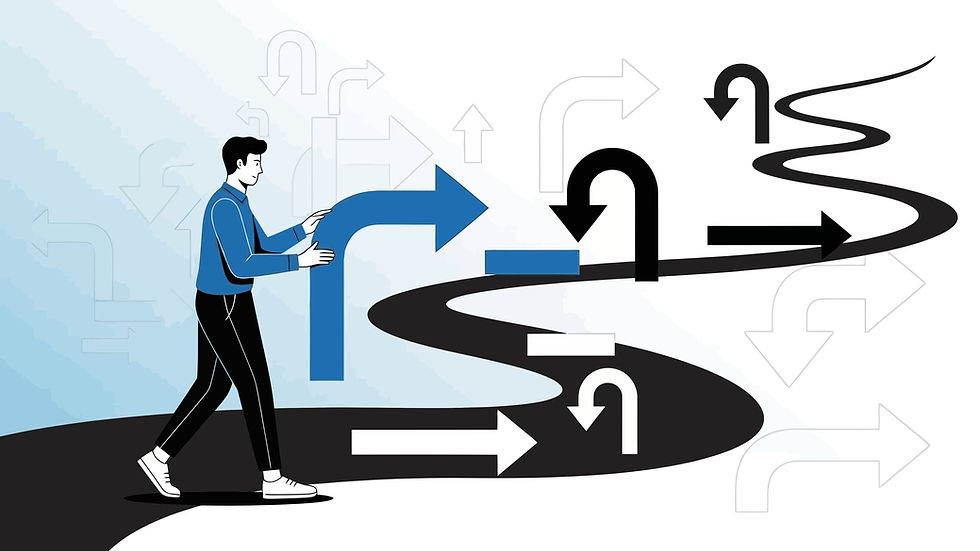
One of the most common patterns we see across growing organizations is a steady cycle of starting, stopping, and restarting.
A new strategy is introduced. A campaign launches. A platform is tested. Early results are mixed or unclear. Before meaningful data can emerge, attention shifts to the next idea.
Marketing is rarely given enough time to compound before direction changes again.
Why This Happens During High Expectation
This marketing mistake often stems from impatience rather than poor intent.
Leaders want reassurance that progress is being made. Teams want to demonstrate impact quickly. In fast-moving environments, waiting can feel like falling behind. As a result, short-term signals are often mistaken for long-term outcomes.
When results are not immediate, the assumption becomes that the strategy is flawed, rather than unfinished.
The Hidden Cost of Resetting
Frequent shifts in direction create quiet but lasting damage. Teams lose confidence in priorities that may change at any moment. Learnings are abandoned before they can inform the next phase of work. Messaging becomes inconsistent as strategies are swapped midstream.
Over time, marketing feels unstable, not because the team lacks capability, but because nothing is allowed to fully mature.
The business never sees what sustained effort could have produced.
What Works Better in Practice
Effective marketing requires commitment as much as creativity. Strong teams agree upfront on how long an initiative should reasonably take to show impact and what indicators matter along the way. They separate early signals from final outcomes and resist the urge to pivot at the first sign of uncertainty.
This does not mean sticking with the wrong approach indefinitely. It means allowing enough time for the right approach to actually work.
A Question Worth Asking
Before changing direction, ask:
Have we given this enough time to learn from it?
If the answer is no, the next shift may simply repeat the same pattern.
Why This Matters Now
Momentum is built through consistency, not constant change.
When marketing is allowed to evolve instead of restart, teams gain confidence, insights deepen, and growth becomes easier to sustain. Patience is not passive. It is often the most strategic choice available.


Comments